
Willkommen bei
the Business Biker unterwegs

Clear Roads and Clear Strategy (1.14)

Sometimes the fastest way to move forward is to stop moving. Not in the dramatic, burn-it-down way. In the simple, practical way: you step back far enough to see what is actually happening.
Most leaders are busy. Many are smart. A lot are even disciplined. Yet the company still feels like it is driving with one hand on the wheel and one hand on the handbrake. The plan looks fine on paper. The people are capable. The numbers are not terrible. But progress feels heavier than it should.
This is usually not a lack of strategy. It is a lack of distance.
Distance does something your calendar cannot. It reveals patterns. It shows where work loops back on itself. It exposes where decisions wait for permission. It makes dependencies visible. And it gives you the one thing you cannot buy with more effort: clean thinking.
In this article, we will look at how stepping away - physically and mentally - exposes organizational bottlenecks and restores clear strategic thinking. We will also keep a devil’s advocate voice in the room, because clarity that collapses under pressure is not clarity. It is comfort.
Seeing the Business as a System Again
When you are inside the day-to-day, your business stops feeling like a system. It starts feeling like a series of fires. A meeting here. A customer escalation there. A hiring gap. A vendor delay. A team conflict. You solve one thing, and another appears. This can make you believe the strategy is wrong, when the real issue is that the system is clogged.
A system does not break because one part is weak. It breaks because parts stop lining up.
The first value of distance is that it reconnects cause and effect. When you are close, everything looks like a separate event. When you step back, events become patterns. You notice that the same three people are always in the same five meetings. You see that projects always slow down at the same stage. You realize that customer complaints are not random. They cluster around one handoff, one promise, one blind spot.
Devil’s advocate question: If your strategy is fine, why does execution keep stalling in the same places?
This is where most leaders slip. They respond by pushing harder. They add tracking. They add pressure. They add reminders. But a clogged system does not need more pushing. It needs less friction. The goal is not to demand speed. The goal is to remove the drag.
Distance helps you do that because it lets you observe without reacting. You are not solving. You are seeing. That is a different skill, and it is one most leaders rarely practice once they become responsible for results.
Repetition Reveals Friction Points
If you have been leading a company for a while, you already know the feeling of repeating yourself. You explain priorities. You clarify roles. You define a process. Two weeks later, the same question appears again, just wearing a different outfit.
Repetition is not just annoying. It is diagnostic. When something repeats, one of three things is usually true. The message is unclear. The system makes the right behavior hard. Or people do not believe the decision will stick.
Distance helps you identify which one it is. If the message is unclear, you will notice that different teams tell different stories about what matters. One team thinks growth is the priority. Another thinks cost control. A third thinks “don’t upset operations.” Everyone is working. But they are pulling in slightly different directions.
If the system makes the right behavior hard, you will see where the process punishes the behavior you claim to want. For example, you want initiative, but approvals take three weeks. You want speed, but every change triggers a committee. You want quality, but deadlines force shortcuts. The system trains people. It teaches them what is safe.
If people do not believe the decision will stick, you will see the quiet resistance. They nod, then wait. They comply, then revert. They do not argue because arguing is risky. They just delay.
Devil’s advocate question: Are you repeating yourself because your team is slow, or because your system rewards hesitation?
This is uncomfortable, because it shifts responsibility. Not in a blame sense. In a design sense. You are not only the decision-maker. You are the architect of the environment in which decisions become reality.

Hidden Dependencies and the Myth of “One More Hire”
Many organizations carry hidden dependencies like invisible ropes. A workflow depends on one person’s memory. A customer relationship depends on one person’s mood. A delivery schedule depends on one supplier that never gets audited. A product improvement depends on one engineer who is also the unofficial therapist for half the team.
From the inside, this feels normal. From a distance, it looks fragile.
Hidden dependencies are dangerous because they create a false sense of capacity. You think you have a team of ten, but three processes depend on one person. You think you have a solid supply chain, but one vendor disruption would freeze production. You think you have a scalable sales motion, but it relies on your personal involvement to close deals.
And then the common fix appears: hire another person. Hiring can help, but it is also a convenient story. It feels decisive. It feels like progress. Yet many companies hire into a broken system and then wonder why the new hire struggles. You did not add capacity. You added another passenger to a car with a flat tire.
Distance helps because it lets you map dependencies without emotion. When you are close, you protect people’s feelings. You avoid naming the truth. When you step back, you can say: “This process depends on one person. That is a risk.” Risk is not a personal criticism. It is a structural fact.
Devil’s advocate question: If you doubled headcount tomorrow, would the bottleneck move, or would it stay exactly where it is?
That is the test. If the bottleneck stays, you do not have a capacity problem. You have a constraint problem.
Constraints need redesign, not just staffing.
You clarify ownership. You document decisions. You standardize handoffs. You simplify approvals. You remove the parts that exist only because “we have always done it this way.”
Decision Drag and the Cost of Waiting
In many companies, the bottleneck is not the work. It is the decision. Teams can execute. They can build. They can sell. They can deliver. But they cannot move when decisions are slow, vague, or reversible. This creates decision drag, and it is more expensive than most leaders realize.
Decision drag shows up as “waiting for feedback.” It looks like “we need alignment.” It hides inside “let’s circle back.” It becomes a habit. People learn to pause before acting, because acting without cover feels unsafe.
From the inside, this is often blamed on complexity. It’s a tough call. There are many stakeholders. We need more data.
Sometimes that is true. Often it is not.
Often the real issue is that decision rules are missing. People do not know what “good enough” looks like. They do not know who owns the call. They do not know which risk matters most. So they wait.
Distance helps because it lets you separate true complexity from learned hesitation. You can ask clean questions like: What decision is actually needed? Who is accountable for it? What is the deadline, and what happens if we miss it? What data would truly change the decision?
Devil’s advocate question: Are you asking for more information because it is needed, or because it protects you from being wrong?
This question stings. But it is powerful. Strategy is not only a plan. It is a willingness to choose under uncertainty and then support the choice long enough to learn.
Decision drag is also a cultural signal. When decisions are slow, people stop bringing their best thinking. They start bringing safe thinking. They bring options, not opinions. They bring updates, not recommendations. That feels professional, but it drains momentum.
A clear strategy needs clear decisions. And clear decisions need a clear environment: rules, ownership, and boundaries.

Stepping Away Without Escaping Responsibility
Some leaders hear “step away” and imagine a vacation. Others imagine abandoning the team. Neither is the point.
Stepping away is a practice, not a retreat. It can be a half day with no meetings, a day off-site with a notebook, or a structured review with someone who will not flatter you. The goal is to create enough mental space that your brain can stop reacting and start observing.
The key is intention. You do not step away to avoid problems. You step away to see problems accurately.
This is where the devil’s advocate matters. Because it is easy to step back and create a story that makes you feel better. The team just needs to execute. The market is hard. We need a new strategy. Those may be true. Or they may be convenient.
A good distance practice forces evidence. It forces you to look at the same facts your team lives with every day.
Try these three lenses when you step away:
Flow lens: Where does work stop moving? Where does it pile up? Where do handoffs fail?
Decision lens: Which decisions repeat? Which decisions are delayed? Which decisions do people avoid?
Dependency lens: What depends on one person, one supplier, one system, one approval chain?
When you return, you do not return with a long plan. You return with two or three clean moves that reduce friction.
Devil’s advocate question: If you can’t name your top constraint in one sentence, are you actually clear, or just busy?
How Clear Strategy Looks in Real Operations
A clear strategy is not a slogan. It is visible in daily behavior.
You can tell a company has clarity when:
Meetings end with decisions, not discussions.
Projects move in smaller, tested steps, not huge bets that need constant approval.
People can explain priorities without checking with you.
Conflicts surface early, because roles and standards are clear.Customers get consistent promises, because internal handoffs are aligned.
You can also tell when clarity is missing:
Everyone is working, but outcomes drift.The same issues return, because root causes are not addressed.
Leaders act as bottlenecks, because decision rights are unclear.
People over-communicate to stay safe.Teams optimize locally, but the company suffers globally.
The hard truth is that many leaders confuse activity with progress. They look at effort and assume the strategy is working. But effort can be wasted inside a misaligned system.
Clarity changes that. It turns effort into direction.
Devil’s advocate question: If you removed yourself for two weeks, would the business keep moving, or would it freeze?
This question is not about ego. It is about design. If the business freezes, you are not leading a company. You are manually driving a machine that should have an engine.
A clear strategy builds an engine. It defines what matters, who owns what, and how decisions get made. It reduces your need to be everywhere, because the system carries the intent.

Action Plan: Five Moves to Create Distance and Clarity
You do not need a dramatic reset to get strategic clarity back. You need a few deliberate moves that create distance, surface friction, and turn it into action. The goal is not to find a perfect plan. The goal is to remove the drag that is stealing your momentum.
Block 90 minutes weekly for distance work and treat it like a client meeting
Write the single biggest bottleneck in one sentence and validate it with three examples
Map one critical workflow end-to-end and mark where it waits, loops, or depends on one person
Define decision rules for one recurring decision: owner, deadline, data needed, and what “good enough” means
Remove one approval step or handoff that exists only for comfort, not for quality
If you do these five moves for four weeks, you will not just feel clearer. You will see cleaner movement in the business. You will also discover where you have been compensating for the system, and where the system can start carrying more of the load..
Closing Thoughts
Clear strategy is less about brilliance and more about cleanliness. Clean inputs. Clean decisions. Clean handoffs. Clean ownership. When those are present, even an imperfect strategy can win, because the organization can learn and adapt quickly.
Distance is not a luxury. It is a leadership tool. It is how you stop confusing noise for signal. It is how you prevent repetition from becoming normal. It is how you spot the invisible ropes that make your business fragile. And it is how you return to the work with calmer eyes and sharper choices.
Your company does not need you to be everywhere. It needs you to see what others cannot see from inside the day-to-day. That is the real job.
Fred, Jessi & iFred - On the Road for You
Fred, Jessi & iFred. On the road, living free and sharing our adventures. Fred rides, Jessi carries, and iFred connects the stories.
This time, our journey taught us about stepping back to reveal bottlenecks and restore clean strategic thinking, powered by the freedom from My Easy Side Business.

updates
updates

Social Media


Business

Blog Categories
Why I Ride and Write

Featured Articles



From our YouTube Channel

meine Empfehlungen
Smarte business Lösungen
Why Smart?

Fred's Sparring
Healthy income

Vetrieb mit KI

Sales upgrade

systems for profit

A legendary investor’s 22-month, 52-country motorcycle odyssey - part travelogue, part investor’s world tour. Inspires freedom, global perspective, and smart risk-taking across borders.
A philosophical classic that blends motorcycle travel with deep reflections on quality, purpose, and personal growth. Perfect for riders who want the inner journey as much as the road itself.
The drummer of Rush sets off on a long motorcycle journey after tragedy. The road becomes medicine, clarity, self-reinvention. Strong emotional and personal-development themes that match your “roads instead of retirement” concept.
Not motorcycle-specific, but the best book on slow travel, simplicity, freedom, and building a life around experiences rather than routine. Perfect match for your lifestyle theme.
Not motorcycle-specific, but the best book on slow travel, simplicity, freedom, and building a life around experiences rather than routine. Perfect match for your lifestyle theme.
Not motorcycle-specific, but the best book on slow travel, simplicity, freedom, and building a life around experiences rather than routine. Perfect match for your lifestyle theme.
Die Besten Kameras für Motorradreisen
GoPro Hero 12
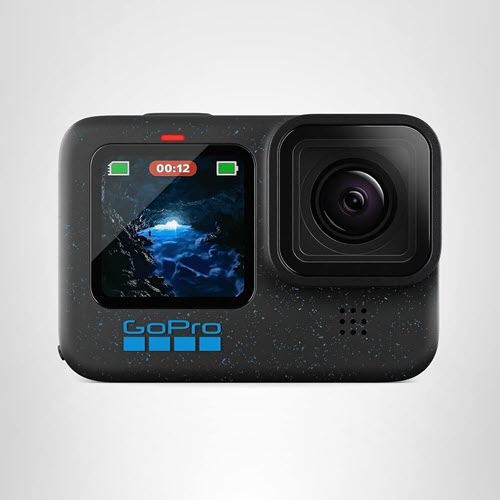
Rock-solid stabilization, endless mounts, and proven reliability. A trusted helmet camera for riders who want consistency and sharp results.
DJI Osmo Action 4
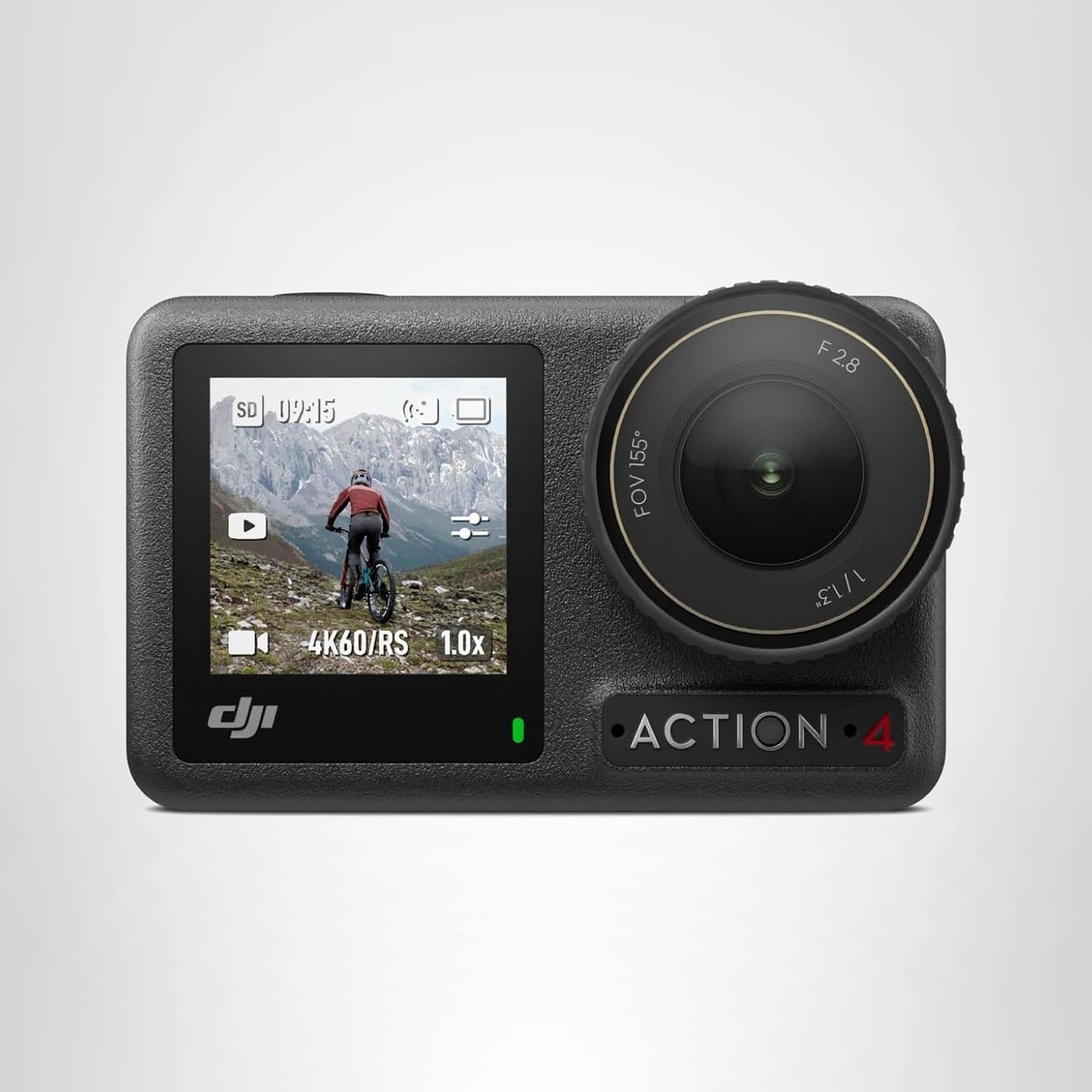
Exceptional low-light performance, natural colors, and calm stabilization. Our top choice for riders who film long days in changing light.
Insta360 Ace Pro
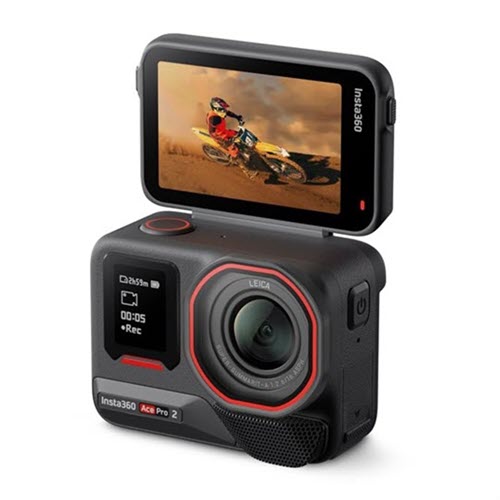
Cinematic image quality with smart processing. Ideal for riders who want stunning visuals with minimal setup and fast results.
Insta360 ONE RS

True storytelling freedom with 360° capture and reframing. Replaceable lenses make it a smart choice for motorcycle adventures.
SJCAM SJ10 Pro
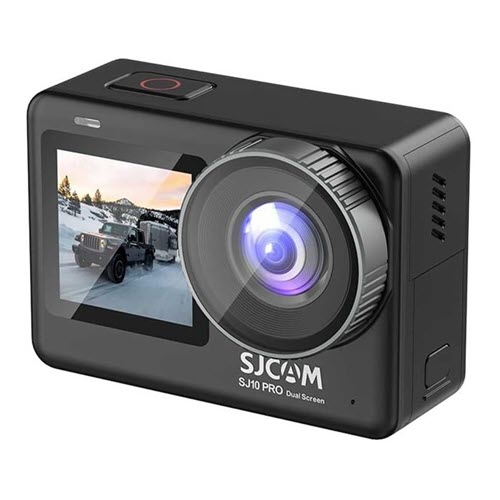
A solid budget-friendly action camera with decent stabilization. Best as a secondary camera or reliable backup on longer trips.
Akaso Brave 8
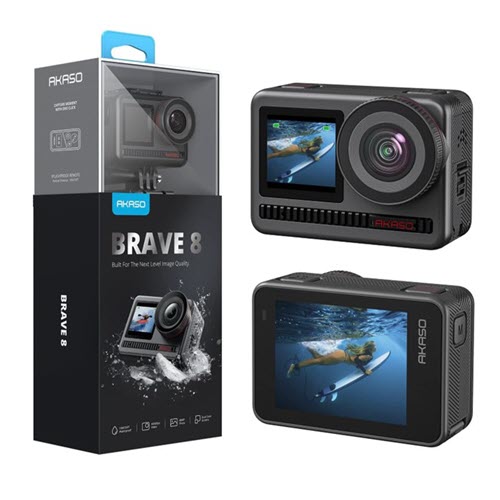
Affordable and easy to use. Perfect for risky mounts, backup angles, or riders starting out without investing heavily.
Motorrad Navigation in den USA
Garmin ZUmo XT2
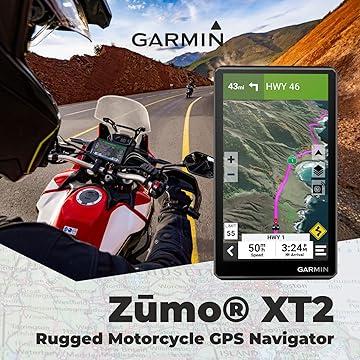
Rock-solid stabilization, endless mounts, and proven reliability. A trusted helmet camera for riders who want consistency and sharp results.
TomTom Rider 400

Rock-solid stabilization, endless mounts, and proven reliability. A trusted helmet camera for riders who want consistency and sharp results.
Beeline Moto II
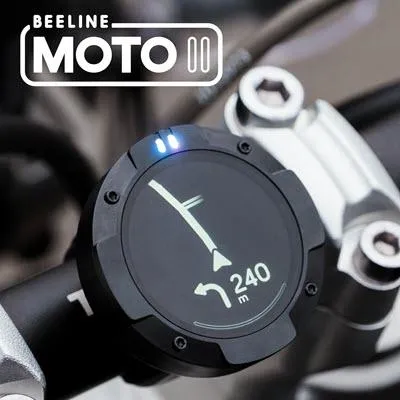
Rock-solid stabilization, endless mounts, and proven reliability. A trusted helmet camera for riders who want consistency and sharp results.
Garmin TREAD 2
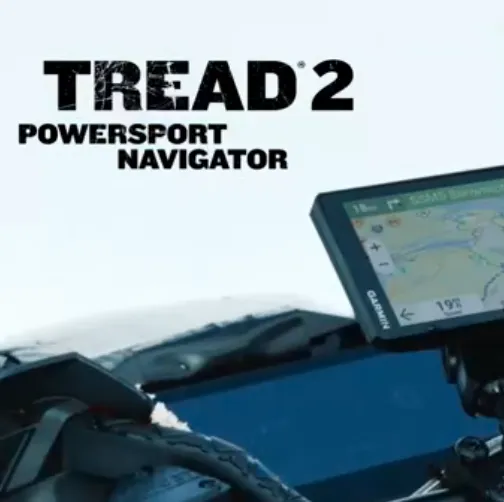
Rock-solid stabilization, endless mounts, and proven reliability. A trusted helmet camera for riders who want consistency and sharp results.
Carpuride W603D
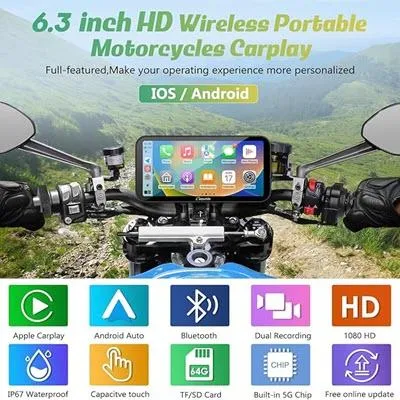
Rock-solid stabilization, endless mounts, and proven reliability. A trusted helmet camera for riders who want consistency and sharp results.
Scenic APP
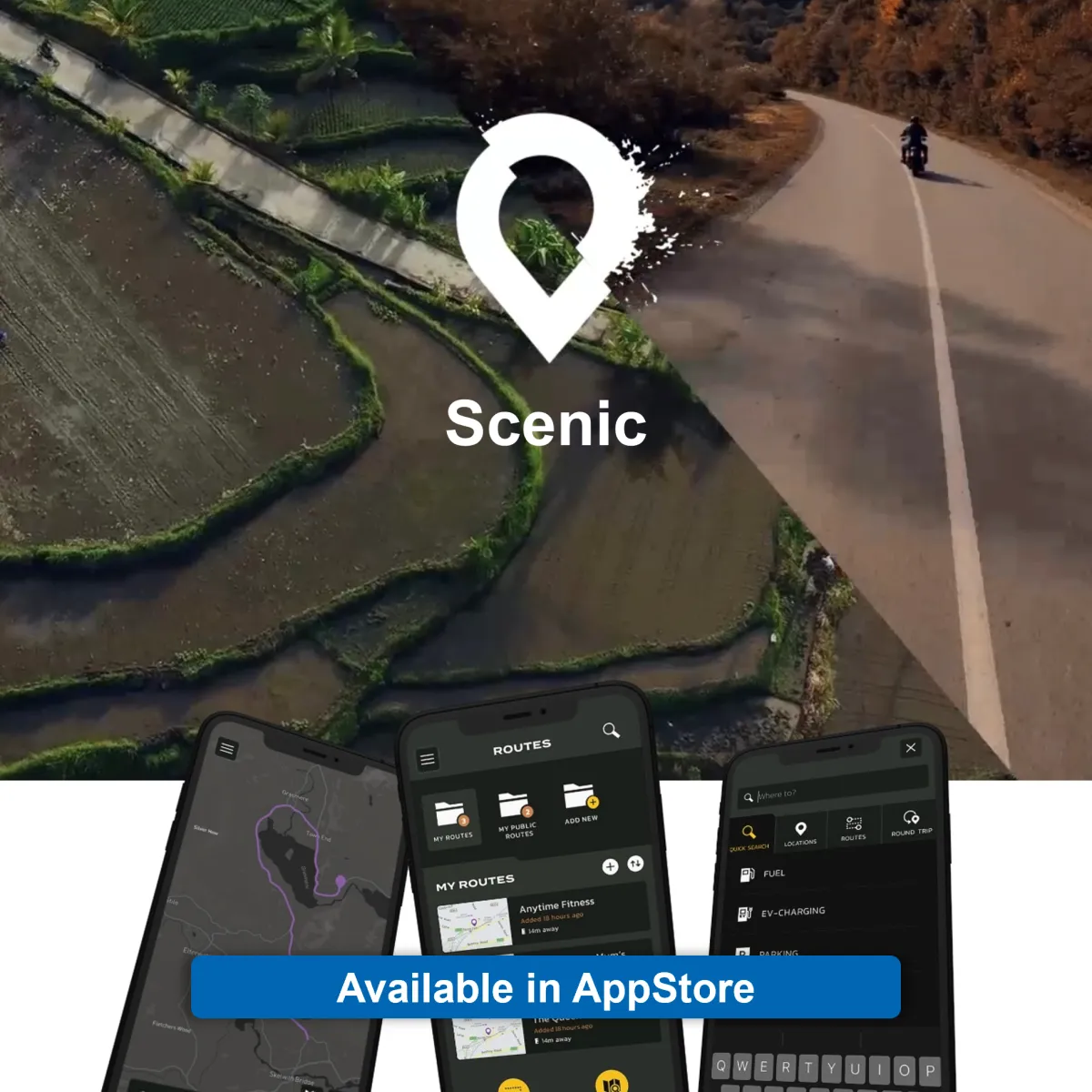
Rock-solid stabilization, endless mounts, and proven reliability. A trusted helmet camera for riders who want consistency and sharp results.
Gehirnfutter für unterwegs





A legendary investor’s 22-month, 52-country motorcycle odyssey - part travelogue, part investor’s world tour. Inspires freedom, global perspective, and smart risk-taking across borders.
A philosophical classic that blends motorcycle travel with deep reflections on quality, purpose, and personal growth. Perfect for riders who want the inner journey as much as the road itself.
The drummer of Rush sets off on a long motorcycle journey after tragedy. The road becomes medicine, clarity, self-reinvention. Strong emotional and personal-development themes that match your “roads instead of retirement” concept.
Not motorcycle-specific, but the best book on slow travel, simplicity, freedom, and building a life around experiences rather than routine. Perfect match for your lifestyle theme.
A transformative motorcycle journey across Latin America that changed the author’s worldview forever. A great match with your Mexico–Central America series and your theme of being shaped by people and landscapes.
A modern classic of motorcycle adventure. Beyond the travel story, it’s about friendship, problem-solving, risk-taking, and how extreme travel forces personal evolution. Fits your “experience, not gear” philosophy.
Haftungsausschluss
Die Tipps und Infos, die Sysbizz LLC auf und www.BizBiker.com zeigt, basieren auf unseren eigenen Erfahrungen und unabhängigen Recherchen. Wir übernehmen keine Haftung für irgendwelche Folgen, Verletzungen oder Schäden, die durch die Nutzung der genannten Produkte oder Infos entstehen könnten.
Einige Inhalte, auf die wir in unseren Blog-Artikeln verweisen, stammen von externen Quellen und werden zur Information gezeigt. Sysbizz LLC erstellt, kontrolliert oder überprüft diese externen Inhalte nicht und ist nicht für deren Richtigkeit, Vollständigkeit oder die darin geäußerten Meinungen verantwortlich.
Die Links auf dieser Seite können Affiliate-Links sein. Wir können eine Provision für Käufe über diese Links bekommen, ohne dass dir zusätzliche Kosten entstehen.